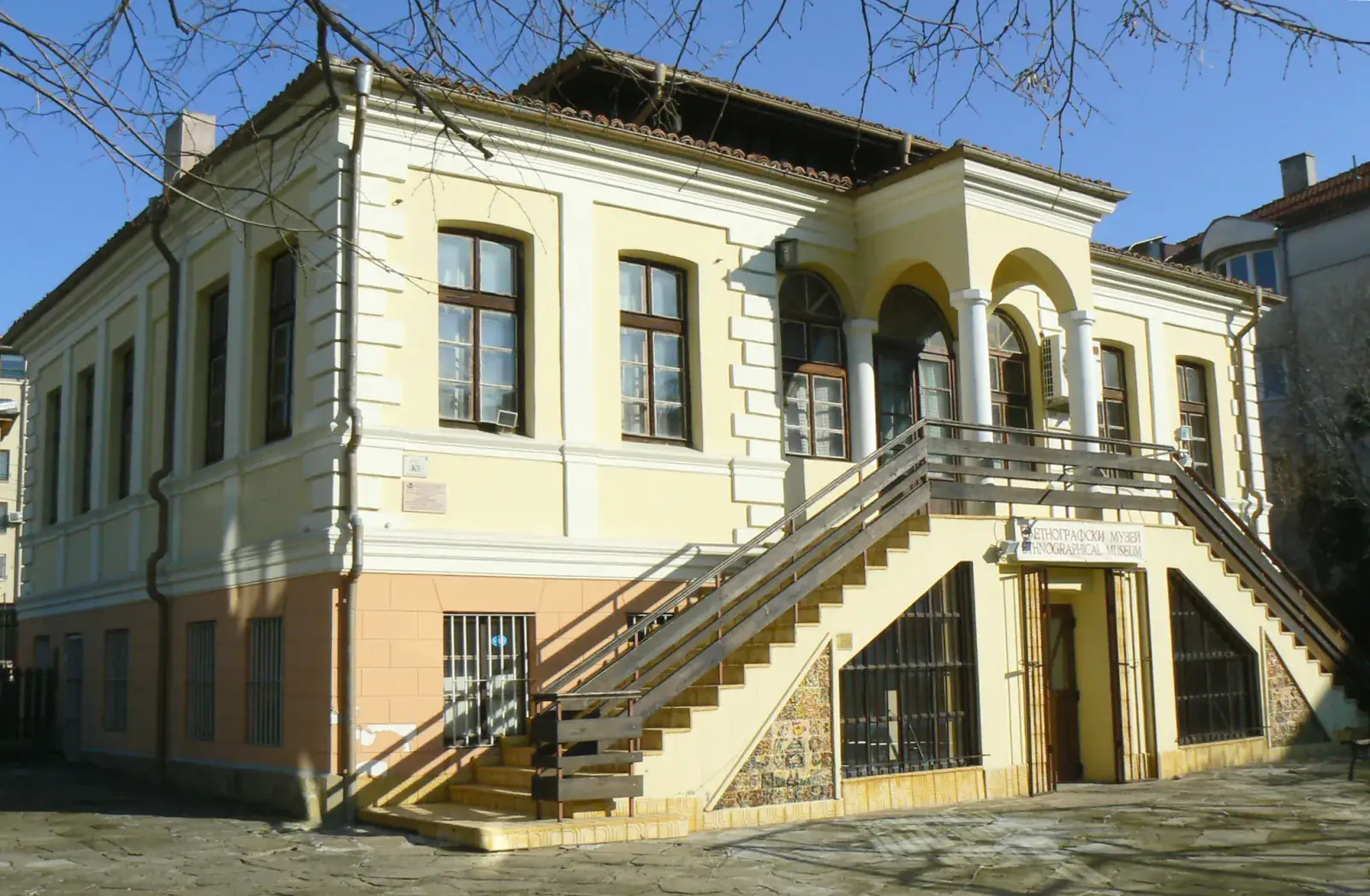
Ethnographic Museum Burgas
Daily life, costumes and traditions of the Burgas region.
- Address
- 69 Slavyanska Street, Burgas
- Phone
- 056 842 587
The Ethnographic Museum, part of the Regional History Museum — Burgas, is a key cultural stop for every tourist wishing to touch the authentic Bulgarian spirit. Located at 69 Slavyanska Street, in immediate proximity to the Sts. Cyril and Methodius Cathedral, the museum offers a captivating journey through the rich traditions, daily life and culture of the population of the Burgas region.
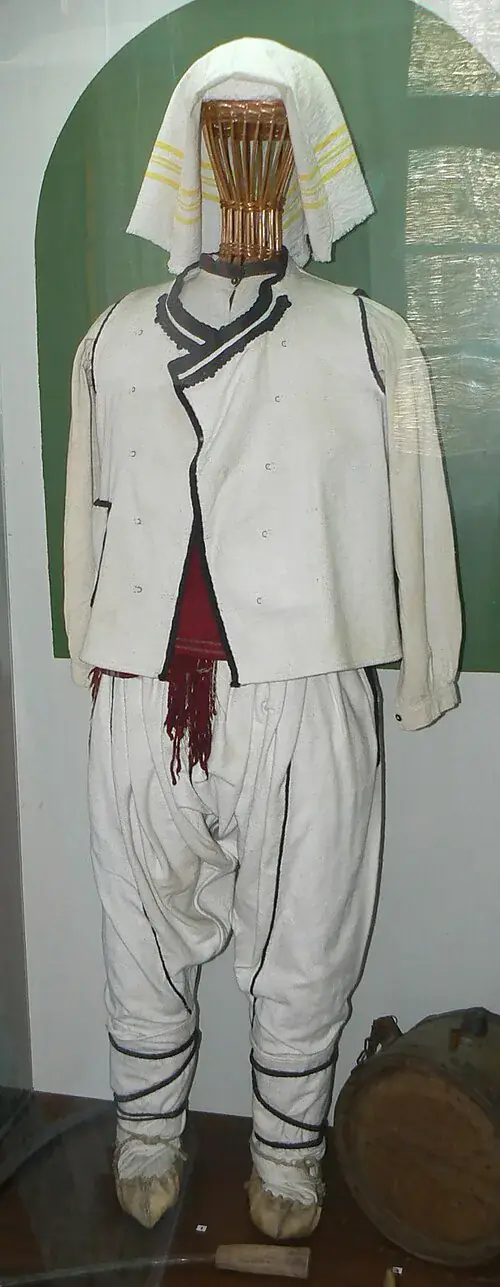
Photo: Spiritia / Wikimedia Commons / CC BY-SA 3.0
Architectural heritage: the Brakalov House
The museum is housed in one of the most beautiful and historically significant buildings in the city centre — the remarkable Brakalov House. Built in 1873, it was home to the prominent National Revival figure, public official and former mayor of Burgas Dimitar Brakalov. Today the building is listed as an architectural cultural monument and is itself a valuable historical exhibit, distinguished by its characteristic style.
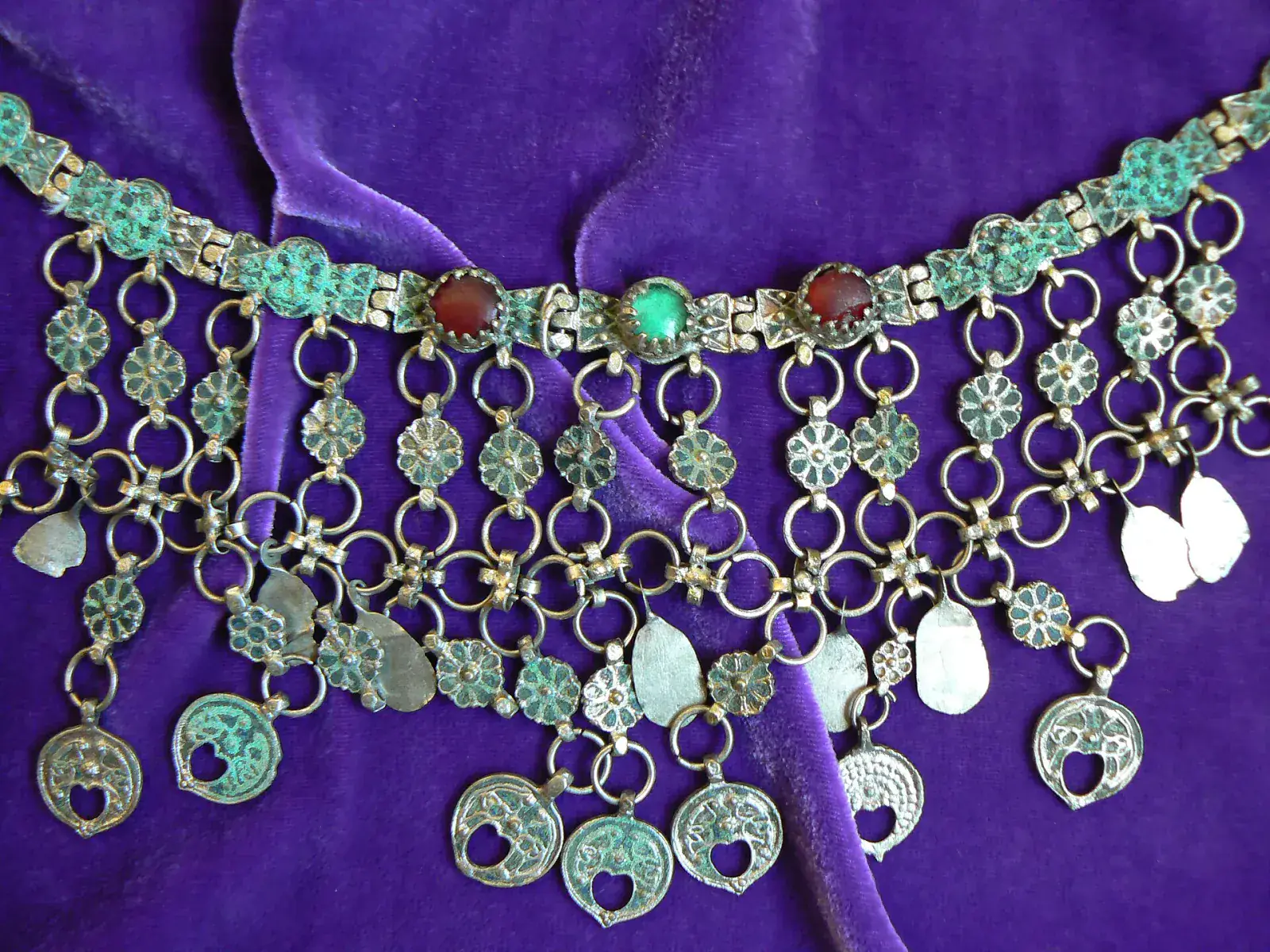
Photo: Spiritia / Wikimedia Commons / CC BY-SA 3.0
Exhibitions and cultural diversity
The permanent exhibition reveals the exceptional ethnographic wealth of the region, formed by the mingling of specific demographic groups such as the Zagortsi, Tronki, Rupaltsi and Planintsi. The main highlights of the collection include:
- Traditional dress and textiles: a rich set of authentic festive and everyday costumes that showcase the craftsmanship and aesthetics of the local population.
- Customs and rituals: of particular interest is the exhibition devoted to the region's unique ritual practices. Visitors can examine props connected with the ancient Nestinari custom (firewalking dances), the spectacular Kukeri games and traditional spring festivals such as Enyovden and Lazaruvane.
- Daily life and traditional crafts: interior reconstructions and everyday objects from the 19th and early 20th centuries are presented, illustrating domestic crafts and the livelihood of the coast.
The exhibition also pays attention to the cultural heritage of the Thracian refugees who found their new home in the area after the Liberation and the Balkan Wars.
On the map
How to get here by bus
The nearest public transport stops and the lines that call at them.