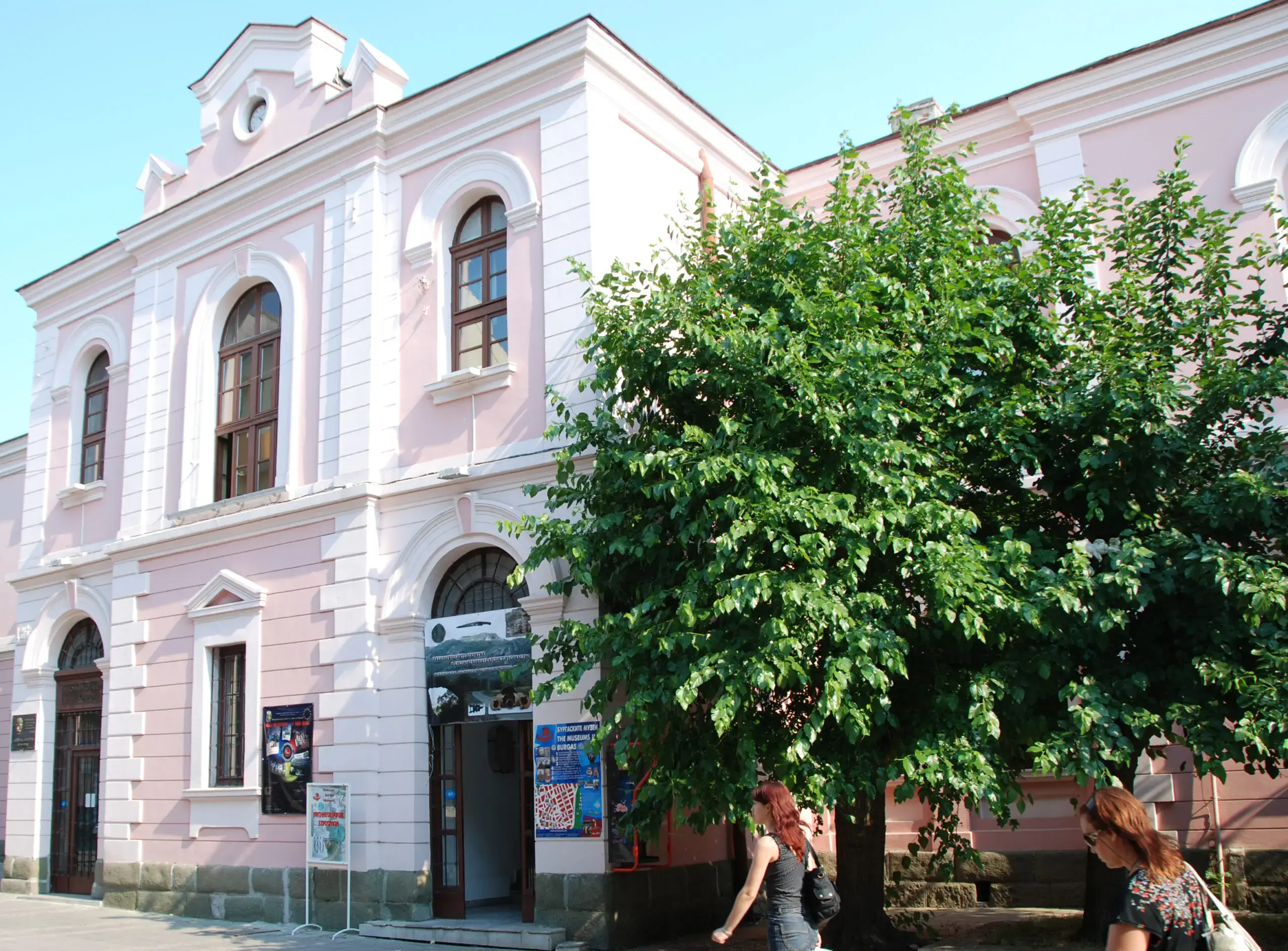
Archaeological Museum Burgas
Treasures from the region's earliest history.
- Address
- 21 Aleko Bogoridi Blvd, Burgas
- Phone
- 056 843 541
The Archaeological Museum in Burgas is the oldest cultural institution in the entire region and a must-visit for every tourist and lover of history. Located on the main pedestrian boulevard "Aleko Bogoridi" in the heart of the city, the museum preserves the millennia-old cultural and historical heritage of the Southern Black Sea. In its halls, the past of ancient towns on our lands — such as Apollonia Pontica (Sozopol), Mesambria (Nesebar) and Anchialos (Pomorie) — comes alive.
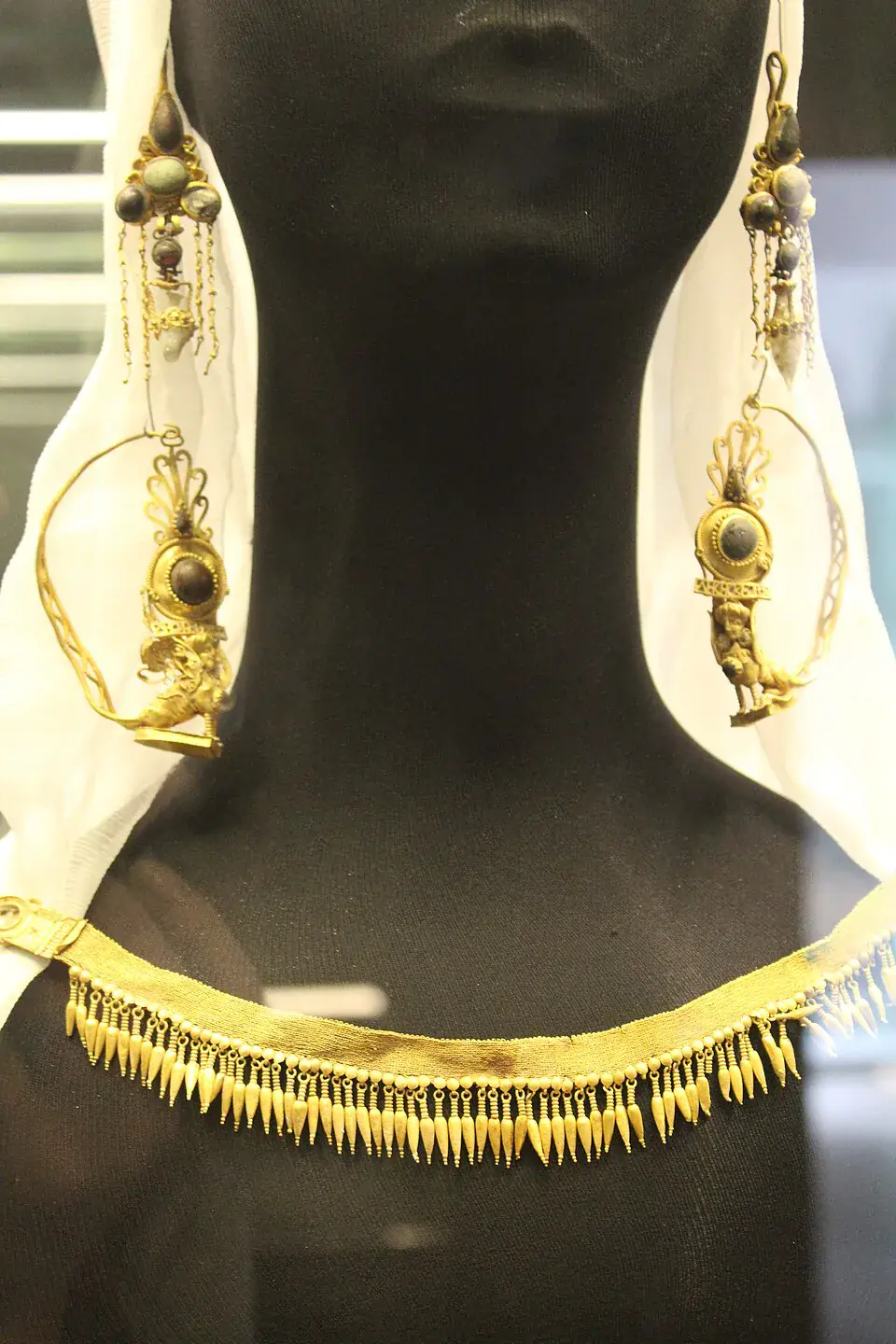
Photo: MiremS / Wikimedia Commons / CC BY-SA 4.0
History and architectural value
The institution traces its origins to 1912, when it was founded as a private museum of the "Debelt" Archaeological Society. Today its rich exhibition is housed in the iconic former Girls' High School building. Built in 1894 to a design by the Swiss architect Hermann Mayer, the building is listed as an architectural monument of culture and is in itself a beautiful urban landmark.
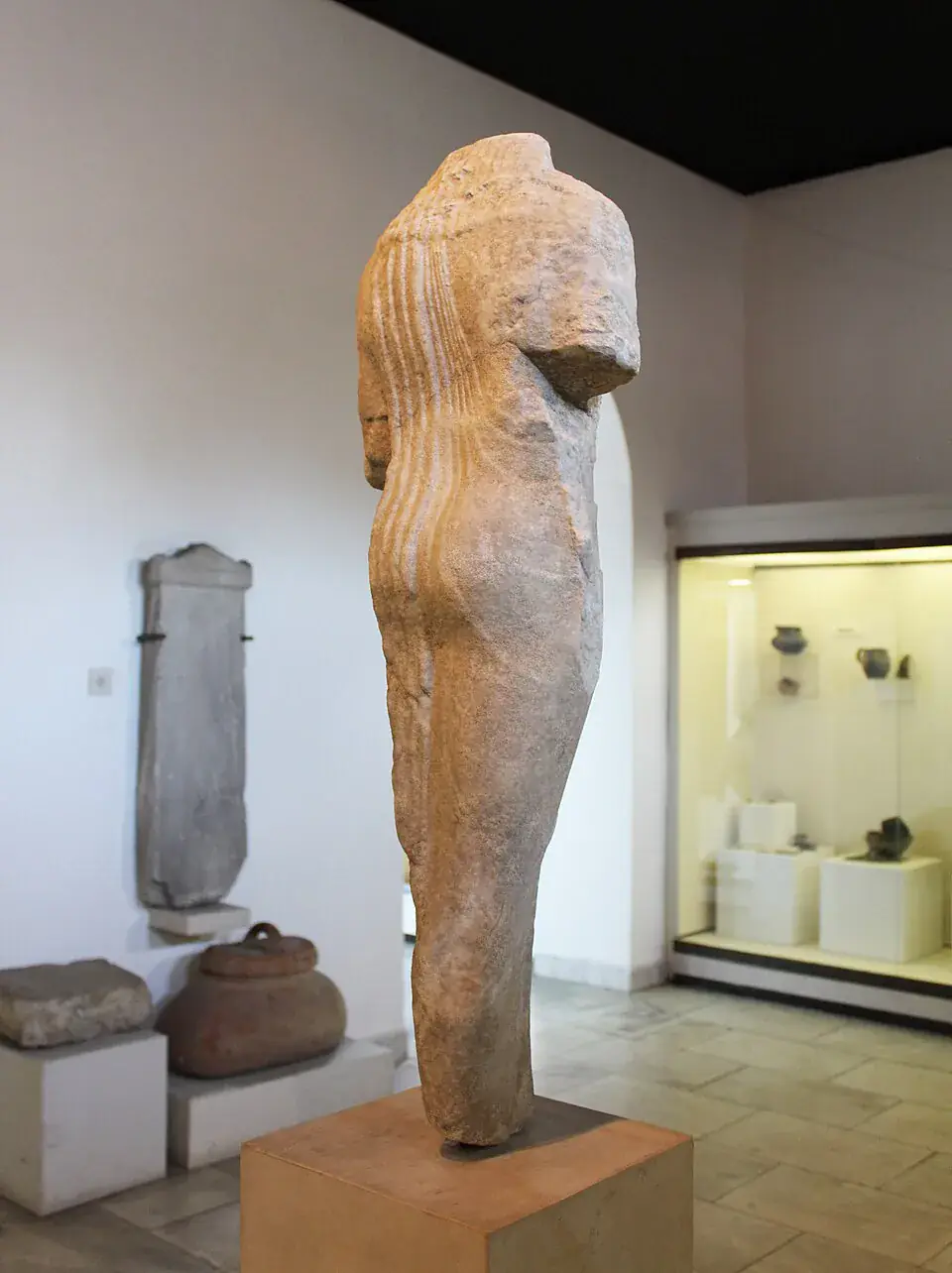
Photo: MiremS / Wikimedia Commons / CC BY-SA 4.0
Priceless artefacts and collections
The museum's holdings offer a captivating chronological account from prehistory to the Late Middle Ages. Among the most significant highlights of the exhibition are:
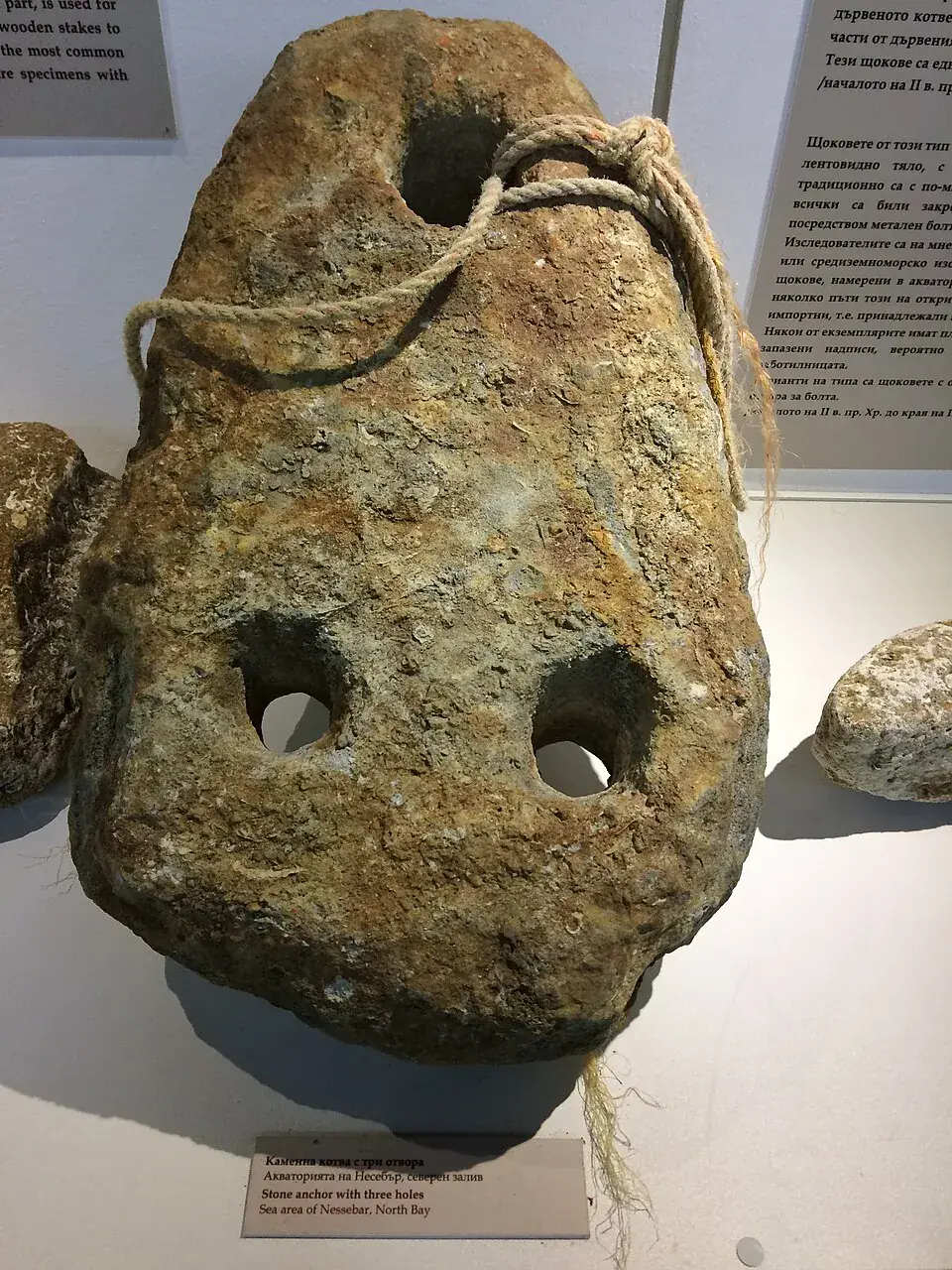
Photo: MiremS / Wikimedia Commons / CC BY-SA 4.0
- Ancient seafaring: a rich set of stone anchors, an authentic wooden dugout boat and objects from sunken settlements in the Bay of Burgas, attesting to intense Black Sea seafaring already in the Bronze Age.
- Thracian culture and Antiquity: the museum holds the exquisite gold ornaments of the Thracian priestess Leseskepra and the famous stone inscription of the Thracian dynast Sadala. The oldest cult statue ever found in Bulgaria is also on display here.
- Rare numismatics: the Burgas museum owns one of the richest collections of pre-coin forms of money on the Balkan Peninsula, including an exceptionally rare bronze ingot.
- Bulgarian Middle Ages: a source of pride for the institution is the preserved original inscription of the ruler Khan Krum.
Outdoor exhibition
The visit ends with the open-air lapidarium, where an impressive Thracian dolmen from the 13th century BC is on display, alongside various marble stelae revealing the multi-ethnic history of the region.
On the map
How to get here by bus
The nearest public transport stops and the lines that call at them.